
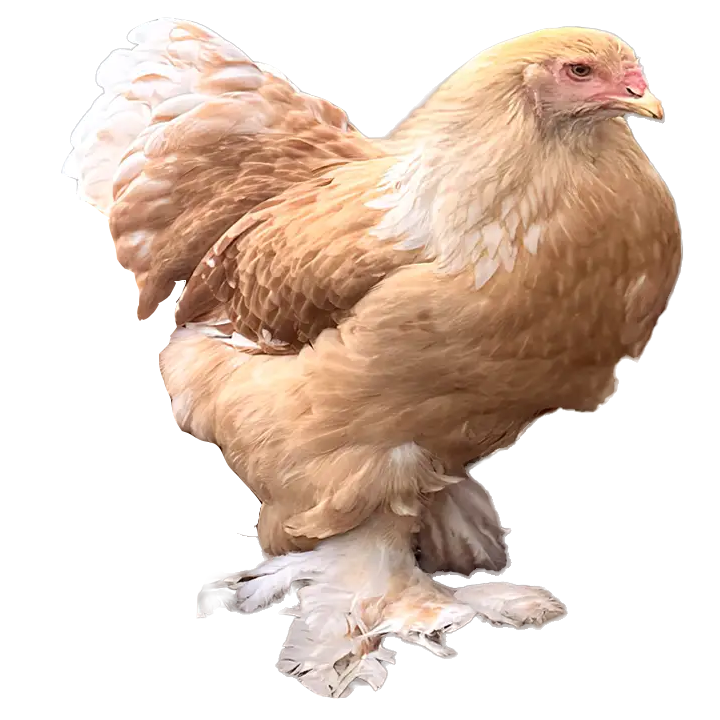


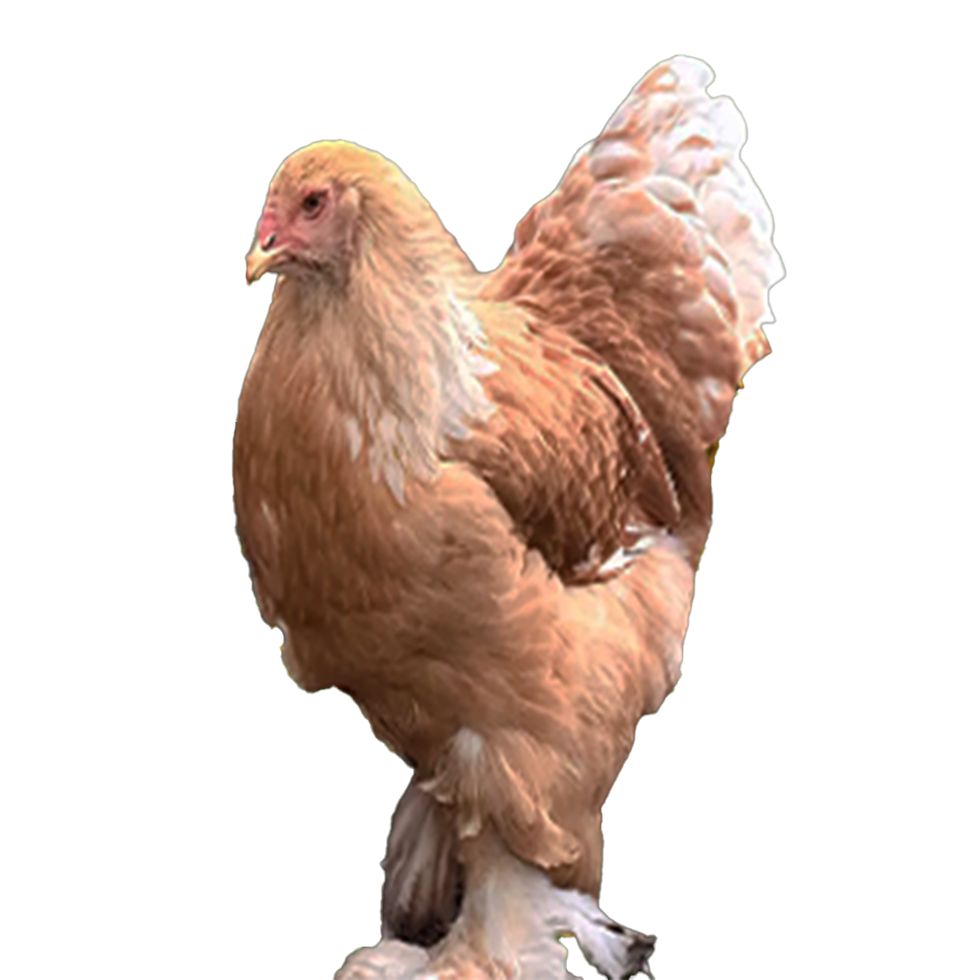
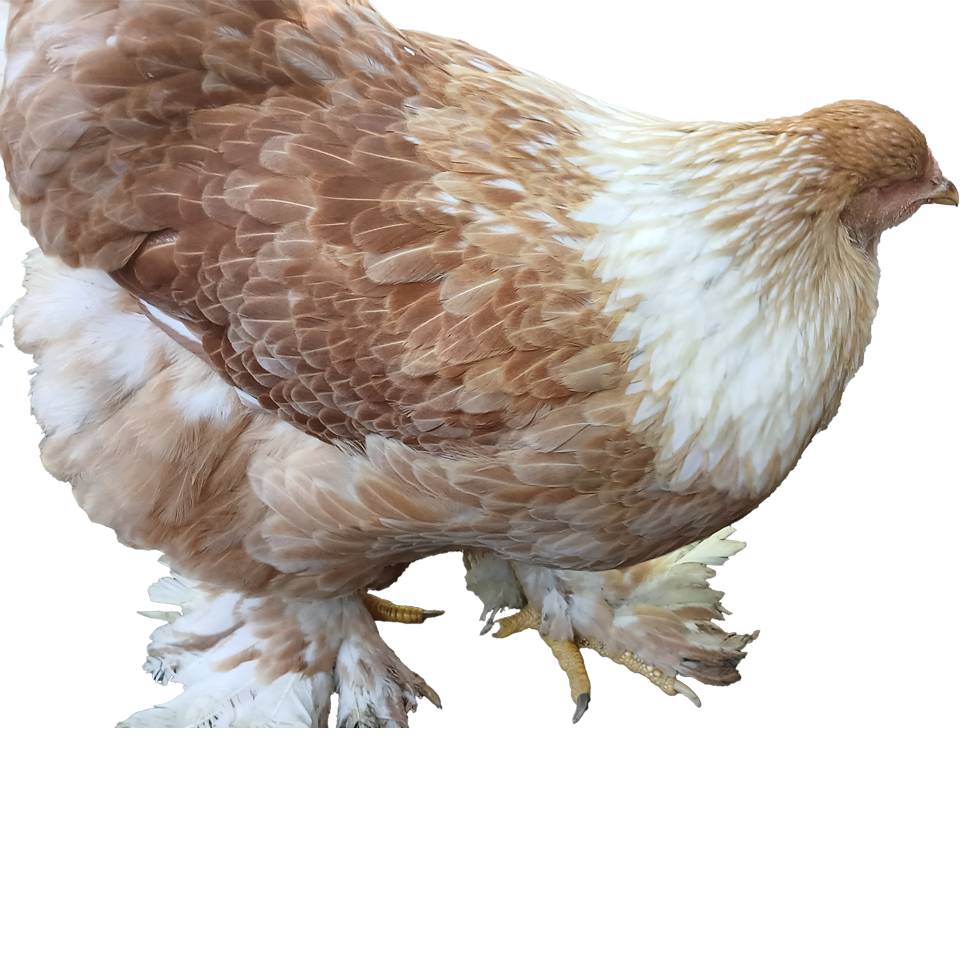





Lemon🍋 Pyle Bloodline 🇹🇷
Original price was: $195.00.$170.00Current price is: $170.00.
Lemon🍋 Pyle Bloodline 🇹🇷
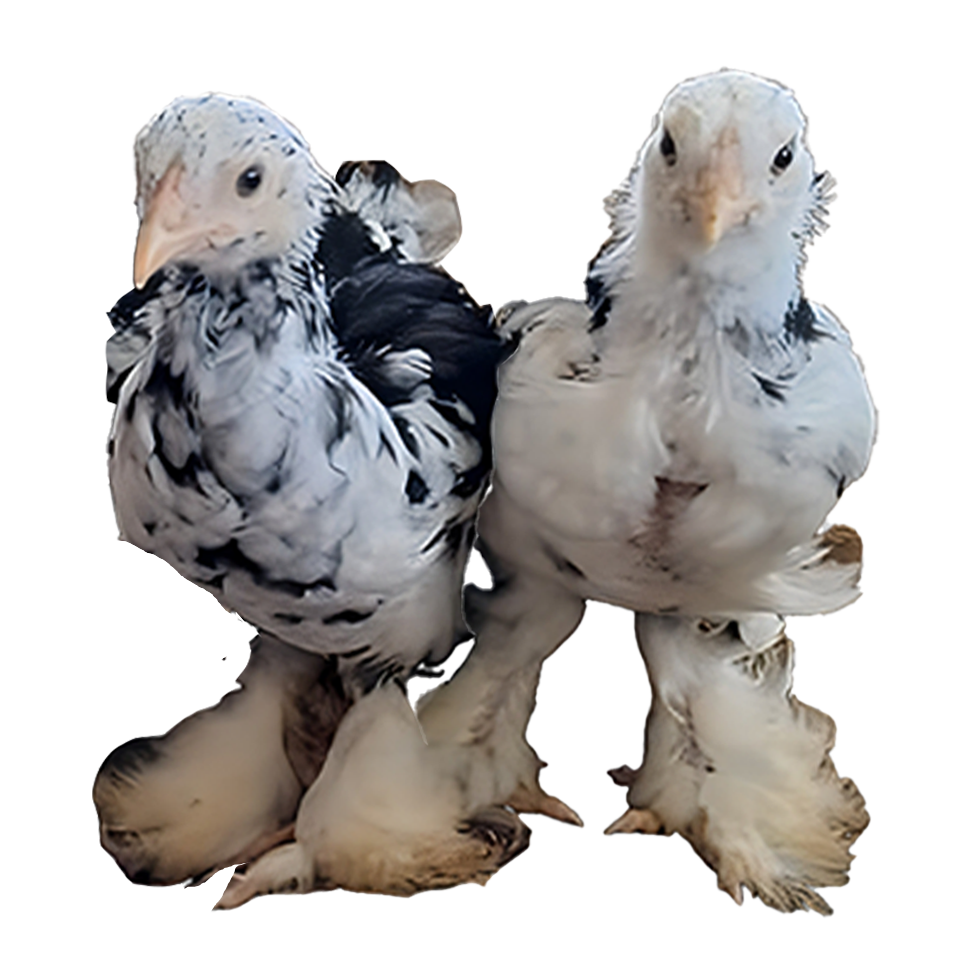
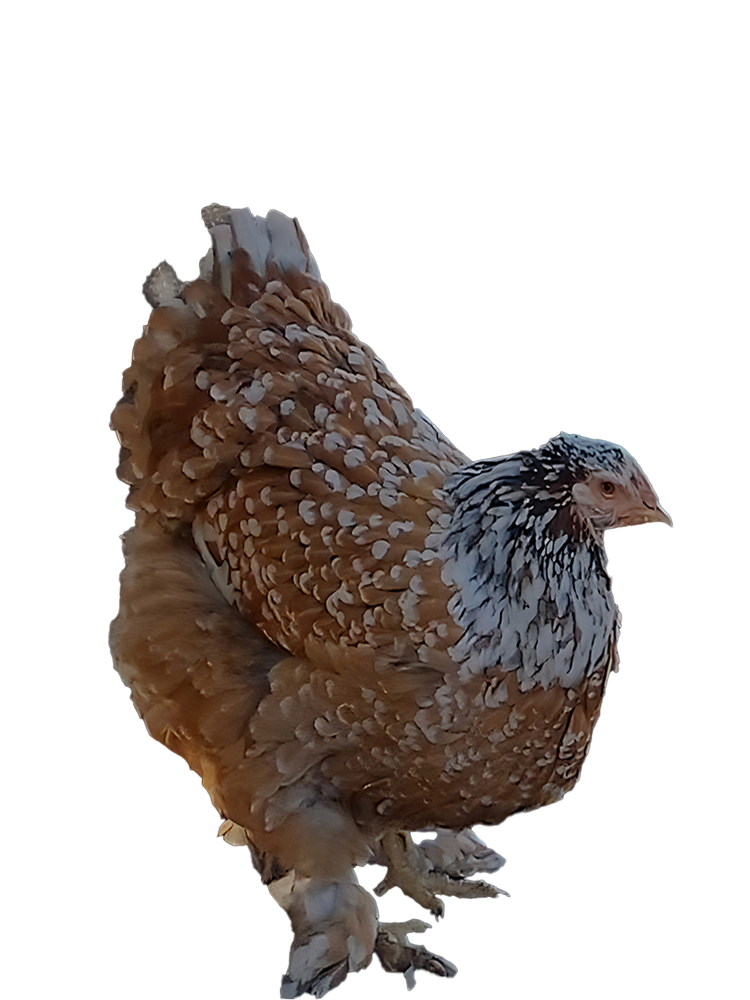
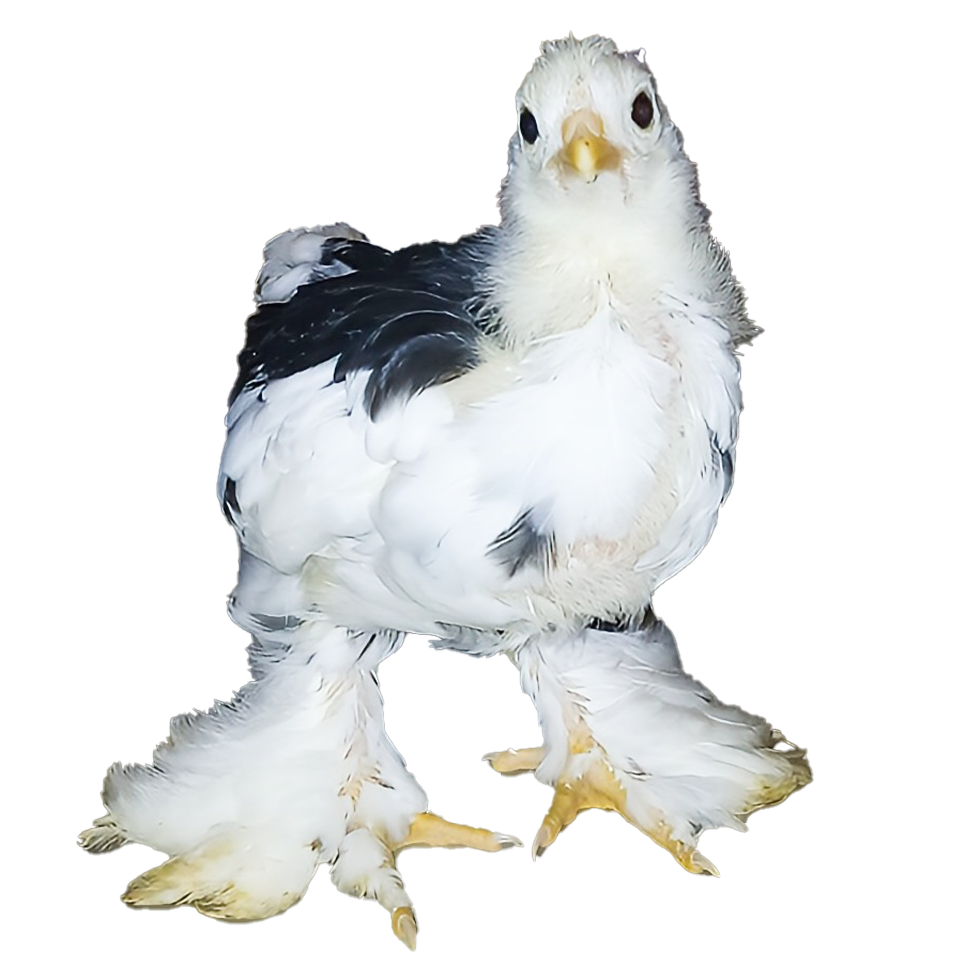
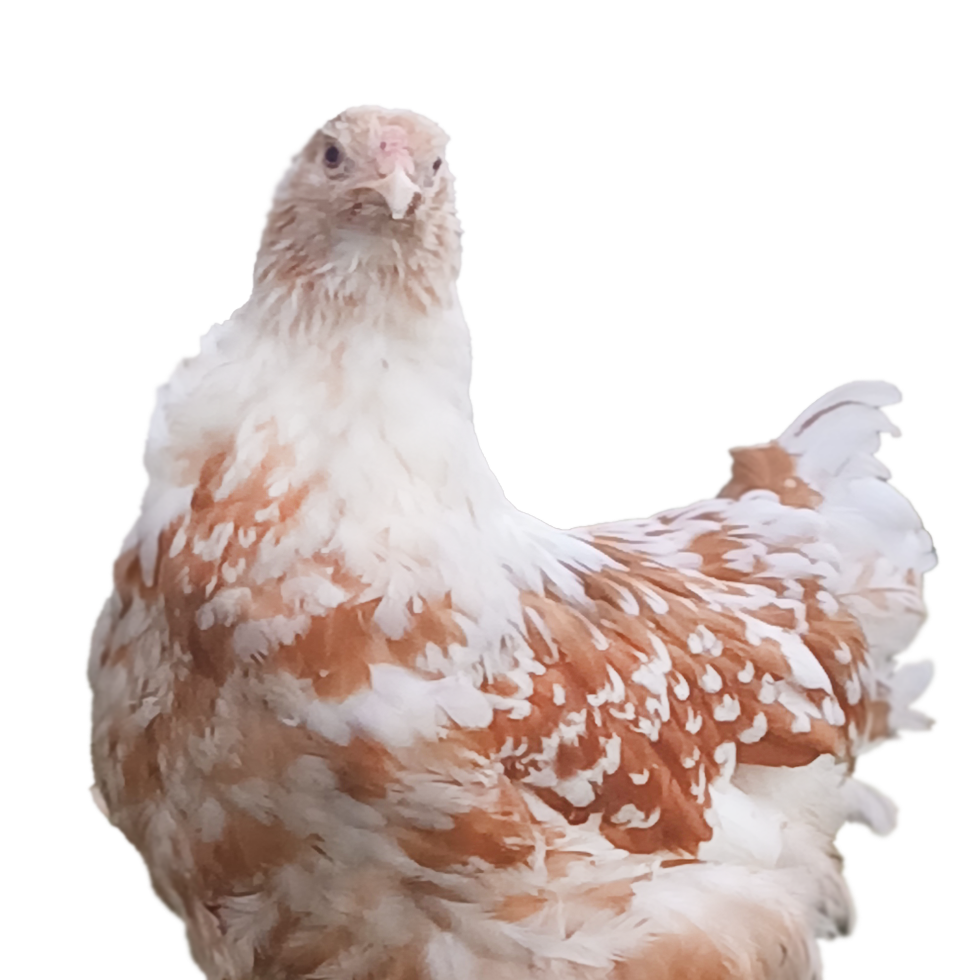
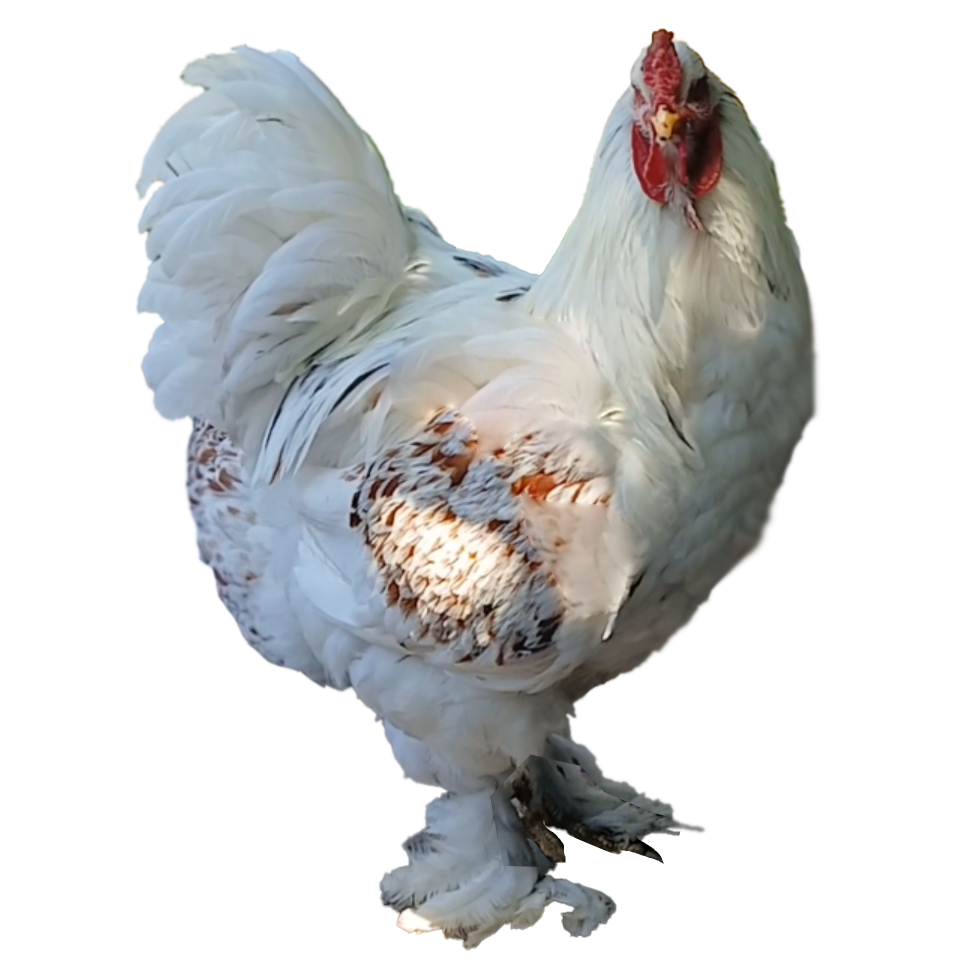
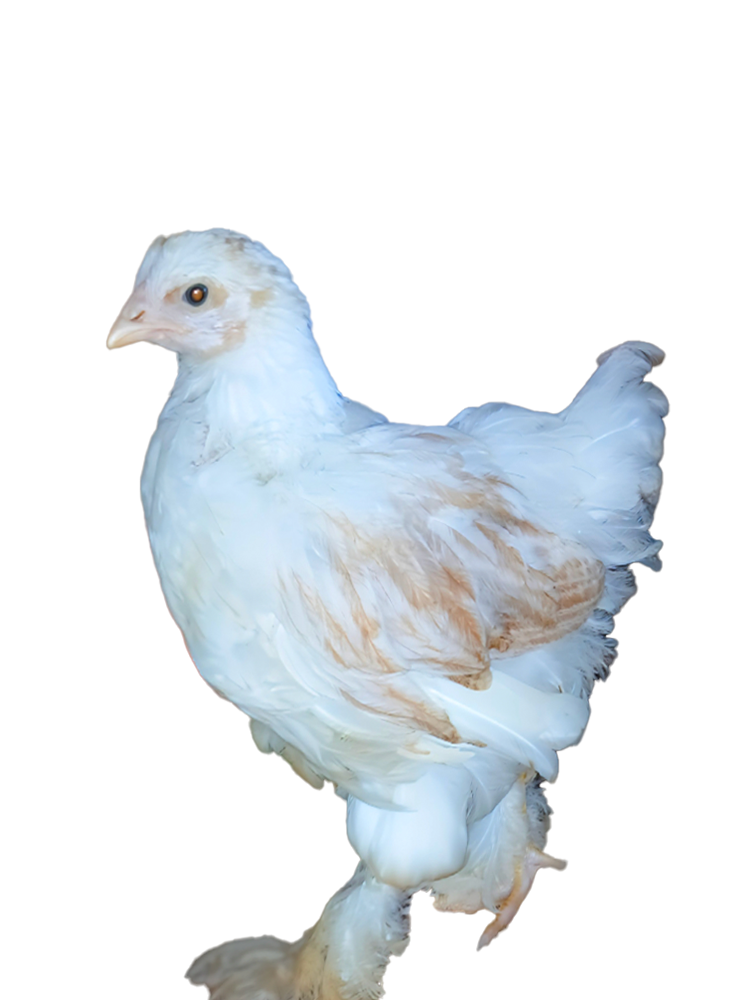
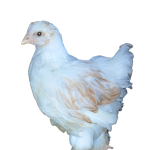
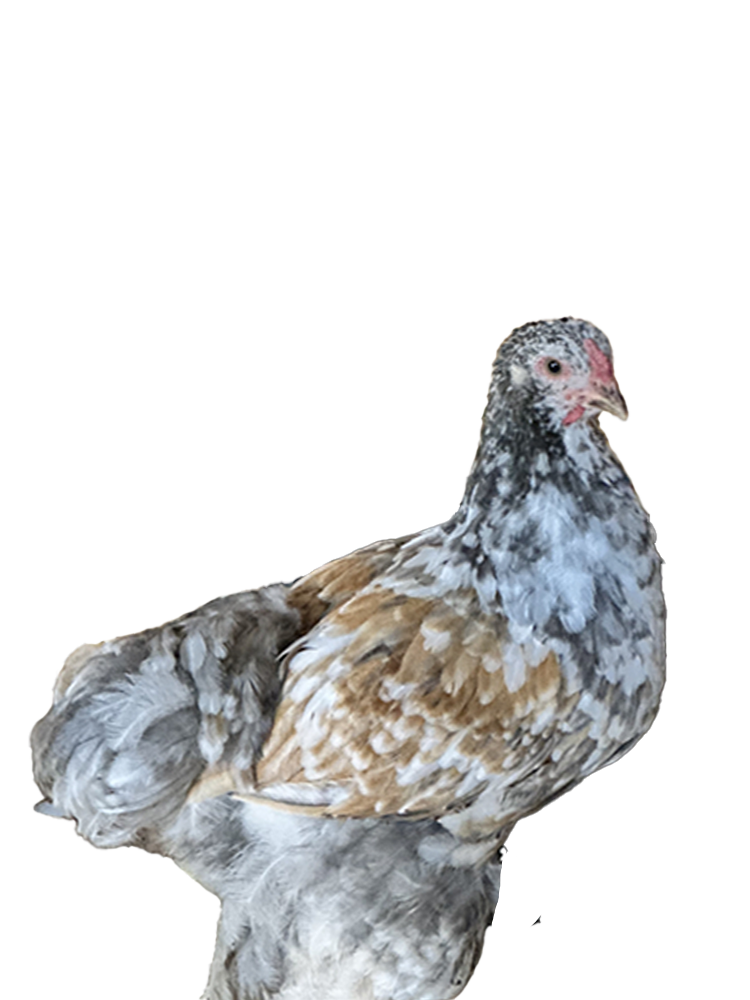
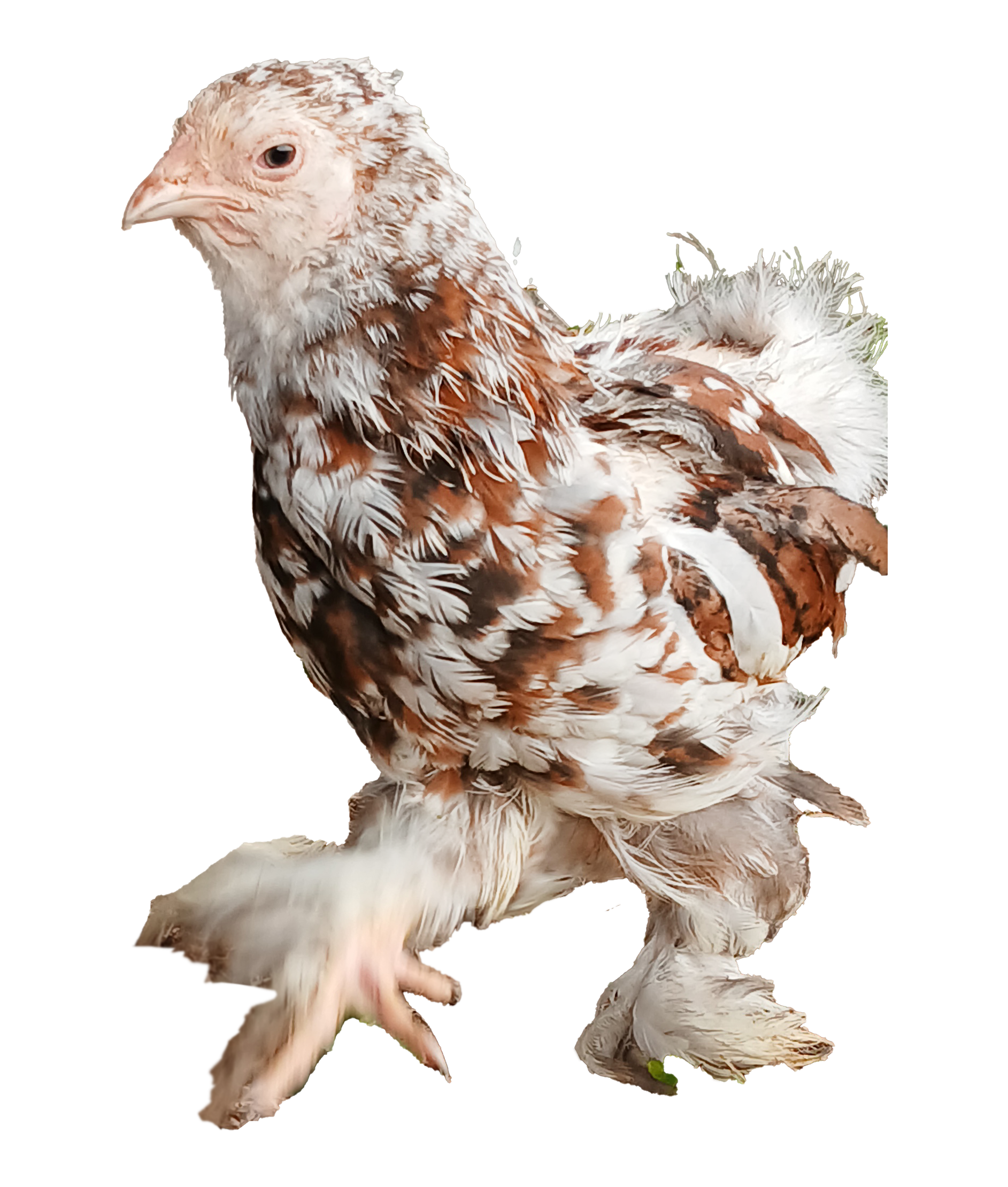
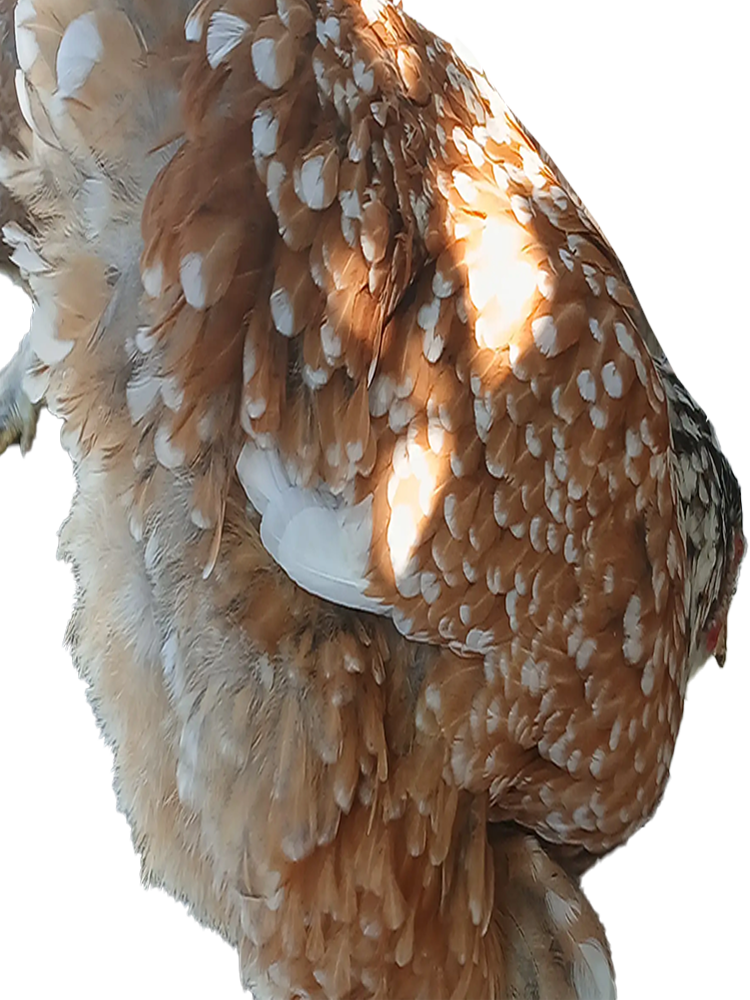
Lemon Pyle Brahma is a type of Brahma chicken known for its distinctive creamy yellow and white plumage, featuring large, feathered feet and a gentle. 🥚2026
Available on backorder
Description
High-quality, 100% Brahma Lemon🍋 Pyle Bloodline 🇹🇷 – are rare and visually striking color variety of the Brahma chicken.
The Lemon Brahma chickens are Appearance:
-
- Hens: Typically feature creamy, buttery, or vanilla-toned feathers with white accents on the cape, tail, and “bloomers”.
- Roosters: Display more vibrant lemon-yellow or orange-tinted coloring, especially on the saddle and hackles.
- Temperament: They are noted for being exceptionally friendly, docile, and suitable for families or backyard flocks.
- Utility: They are a dual-purpose breed, providing a moderate supply of medium-to-large brown eggs (approximately 3–5 per week) as well as quality meat.
- Hardiness: Like other Brahma varieties, they are well-adapted to various climates and are particularly cold-hardy.
Availability and Origins
- Rarity: The Lemon Pyle variety is relatively rare in the United States compared to more common variants like Light, Dark, or Buff Brahmas.
- Origins: While the Brahma breed originated in the Brahmaputra Valley of India and was developed in the US, many current Lemon Pyle lines in North America originate from European breeding stock, particularly from Germany.
For those looking to acquire this rare variety, specialized breeders such as Lemon Pyle Lemon🍋Pyle Bloodline🇹🇷
100% European Brahmas, we have them in Florida.
Lineage Premium: Imported European bloodlines often feature more pronounced, fluffy, and dense feathering (including on the feet), which increases demand and price.
A)Purebred Brahmas (Not mixed)
B)Yellow Legs, Yellow Beaks, Tight pea combs
C)Bred for Show Correctness (No Vulture Hocks)
Giant Birds take 3 years to mature fully.
Video
Attributes
| Product Specifications: External Monitor | |
|---|---|
| Product Name | External Monitor |
| Screen Size | 5″ / 7″ / 10″ / 15.6″ |
| Resolution | 1080p (Full HD) / 2K / 4K UHD |
| Panel Type | IPS / OLED / LCD |
| Brightness | 300 – 3000 nits |
| Contrast Ratio | 1000:1 – 1,000,000:1 |
| Color Gamut | Rec.709 / DCI-P3 / HDR10 |
| Refresh Rate | 60Hz / 120Hz |
| Input Connections | HDMI / SDI / USB-C |
| Output Connections | HDMI Loop-Out / SDI Loop-Out |
| Touchscreen | Yes / No |
| Battery Type | NP-F / V-Mount / Built-in |
| Power Supply | DC Input / Battery Powered |
| Mounting Options | 1/4″-20 Thread / Cold Shoe / VESA |
| Special Features | Focus Peaking, Zebra, Waveform, LUT Support |
| Build Material | Aluminum / ABS Plastic |
| Weight | 300g – 1.5kg |
| Recommended Use | Filmmaking, Photography, Live Streaming |
| Package Includes | Monitor, HDMI Cable, Battery Plate, Sunshade, Mount |
| Warranty | 1 – 3 Years (Varies by Manufacturer) |
Related products

Our Shop
Related Product


















Reviews
There are no reviews yet.