

Baby Steps
Chicks grow fast, and each stage of development brings new milestones. These age-specific tips will help you provide the care and nutrition they need to excel at every step.
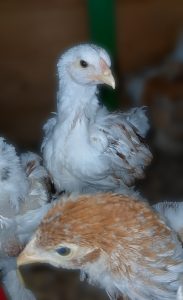
Caring for Baby Chicks
Discover how to keep your baby chicks healthy and happy during their early days, from feeding tips to creating a comfortable brooder environment.
2- to 3-week-old baby chicks grow quickly and change each day. To continue giving them a strong start, keep the brooder clean and warm, offer complete starter-grower feed and fresh water. Listen to the chicks to ensure their happiness; content chicks will roam freely around the brooder and emit a soft cheeping sound.
- Safe feeds Alternatives: Boiled, mashed eggs offer better, high-protein nutrition for chicks.
- Grit: If giving treats, ensure they have access to grit.
- At 2-3 weeks, chicks need high-protein chick starter feed as their primary diet. Congratulations on your baby chick success! You’ve given your chicks a strong start and now it’s time to keep the growing going through weeks 2 and 3.
Congratulations on your baby chick success! You’ve given your chicks a strong start and now it’s time to keep the growing going through weeks 2 and 3.You’re probably noticing your growing chicks are very social and can provide hours of entertainment. Each day, you will get to know their unique quirks and personalities. Healthy, happy chicks will move around the brooder freely and emit soft, cheeping sounds.
Continue providing a clean brooder, starter-grower feed and clean water. Your chicks should be ready for the chicken coop around week 6 and will likely lay their first eggs around week 18.
Here is a checklist for keeping 2-week-old chicks and 3-week-old chicks strong and healthy:
Caring for baby chicks
Provide light to chicks:
After the first week, reduce the number of light hours to 10-12 hours per day. Use one 25-watt bulb for each 100 square feet (10’ x 10’) of floor space.
Adjust temperature for baby chicks:
The biggest change you’ll need to make this week is temperature. Older chicks do not need it to be quite as warm. During week one, the temperature should be 95°F. Starting at week two, lower the temperature by 5° each week until you reach a minimum of 70°F at week six. If using a radiant heater, adjust the heater height to account for the growth of the birds.
Remove brooder guard:
Chicks should be able to find the heatsource by day ten. At that time, you can remove the inside brooder guard if you have one.
Keep the chick brooder clean:
Remove any foreign material in the chick feeders and waters daily. Wash the waterers once a week with soap and water. Keep bedding dry (we recommend pine shavings) by removing wet and soiled litter each day and replacing it with clean, dry bedding.
Listen to your chicks:
When everything is right, chicks will emit a soft cheeping. A chick that is stressed will have a shrill, higher pitched or very rapid cheep. Translate this as a call for help and look for the problem. Stress could be caused by chicks being too hot or cold, wet litter or they may be hungry.
What do baby chicks eat?
Move chick feeders and waterers:
After the brooder guard is taken out, move the feeders and waterers farther from the heat source. This will give chicks more space for exploring as they become more active. It can also help keep the feeders and waterers cleaner and from being heated by the heat lamp. Raise the chick feeders and waterers until they are at back height of the growing birds.
Remove training feeders:
If you haven’t done so by now, remove the training feeders. Make sure chicks always have complete Purina® starter-grower feed and water. The level of feed in the feeders can be decreased a little each week until they remain at least half full. This will help reduce the amount of feed waste.
Continue to feed the same starter-grower feed you feed in week 1.
Chicks should be fed the same chick starter-grower feed until week 18, when you will transition to a Purina® complete layer feed.
- For chicks vaccinated for coccidiosis: Purina® Start & Grow®
- For chicks not vaccinated for coccidiosis (or unsure of vaccination status): Purina® Start & Grow® Medicated
- For organic chicks: Purina® Organic starter-grower
- For mixed flocks: Purina® Flock Raiser®
- For broiler chicks: Purina® Meat Bird
These starter-grower feeds are formulated to provide the unique nutrients your baby chicks need to start strong and stay strong – no need to supplement. Wait until week 18 to introduce any treats to the diet.🐣
Leave a comment