Merybrahmausa


How Should I Take Care of Backyard Chickens in the Winter?

Tips on keeping chickens warm and protected during cold months

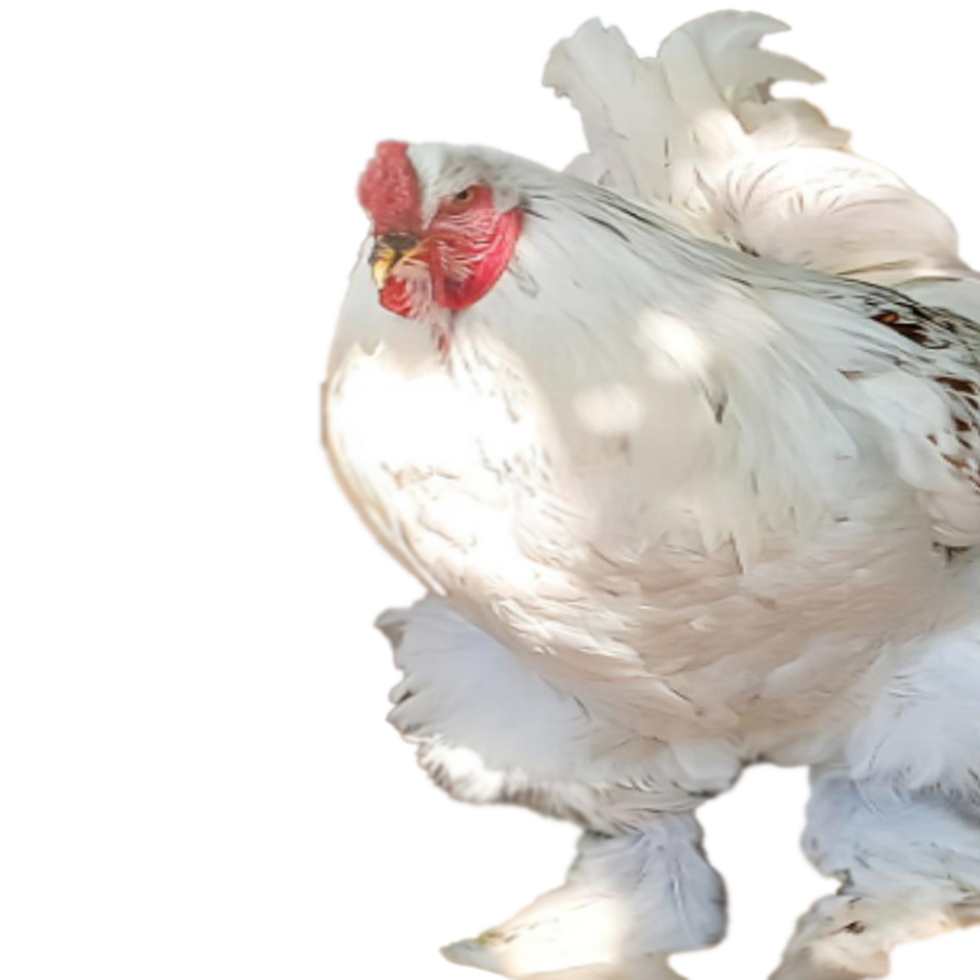
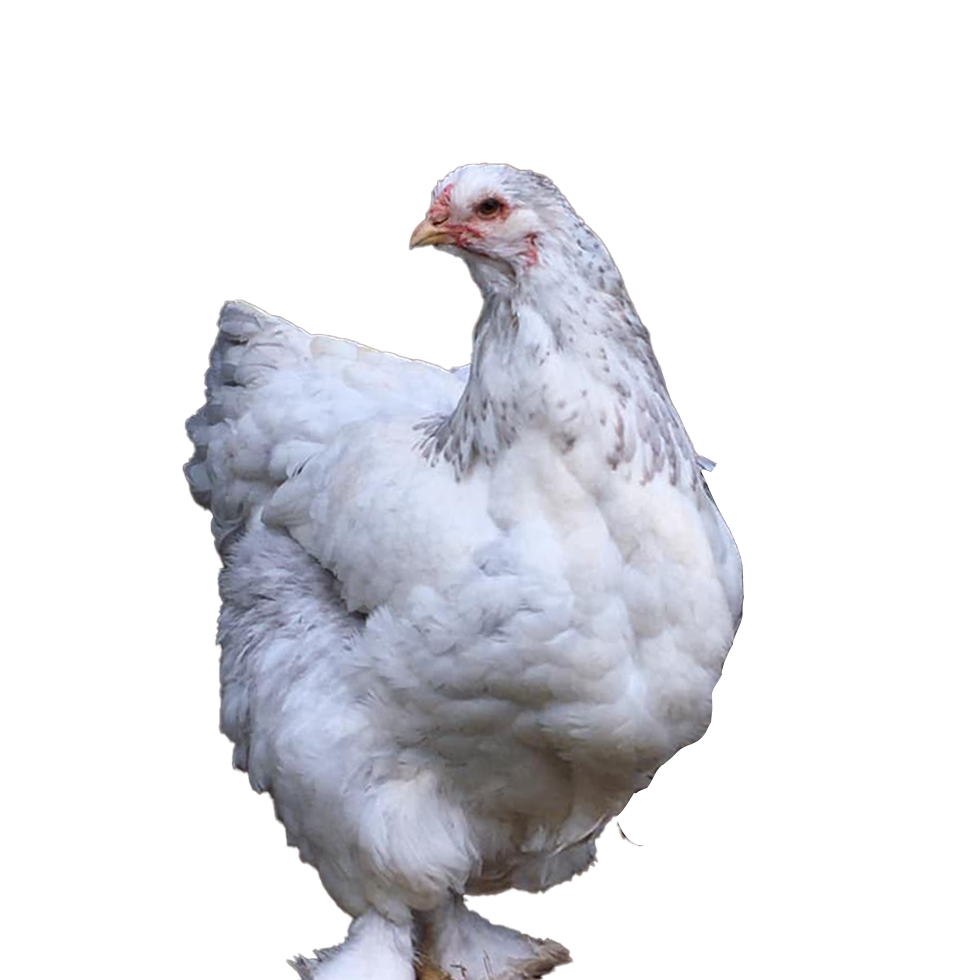
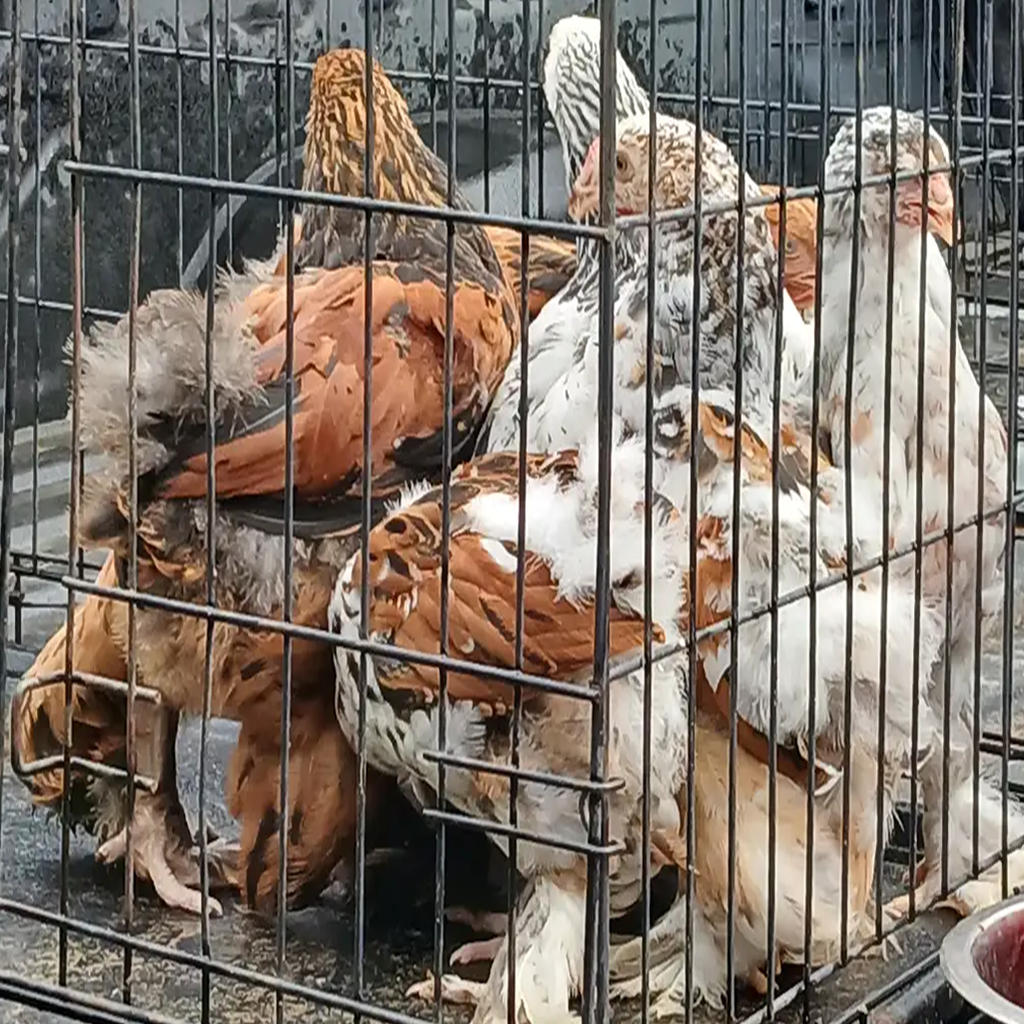
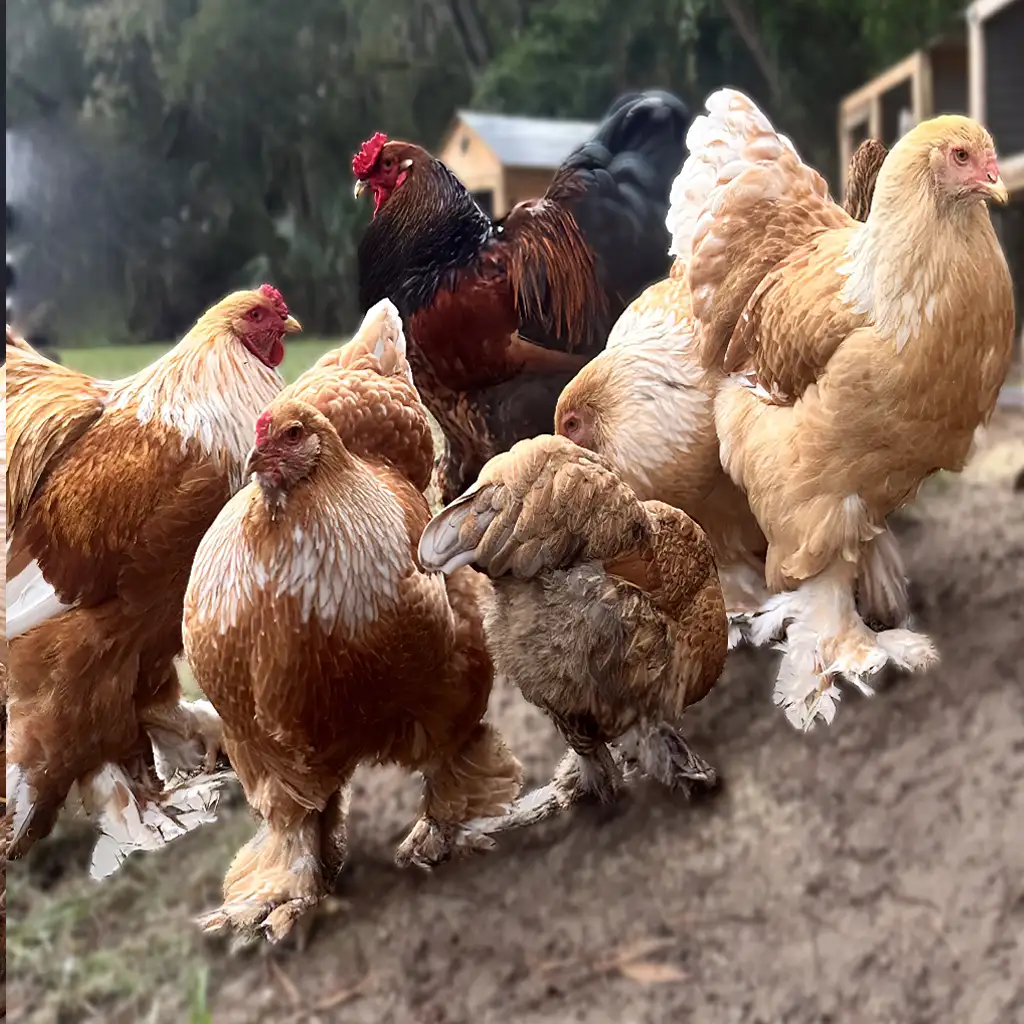
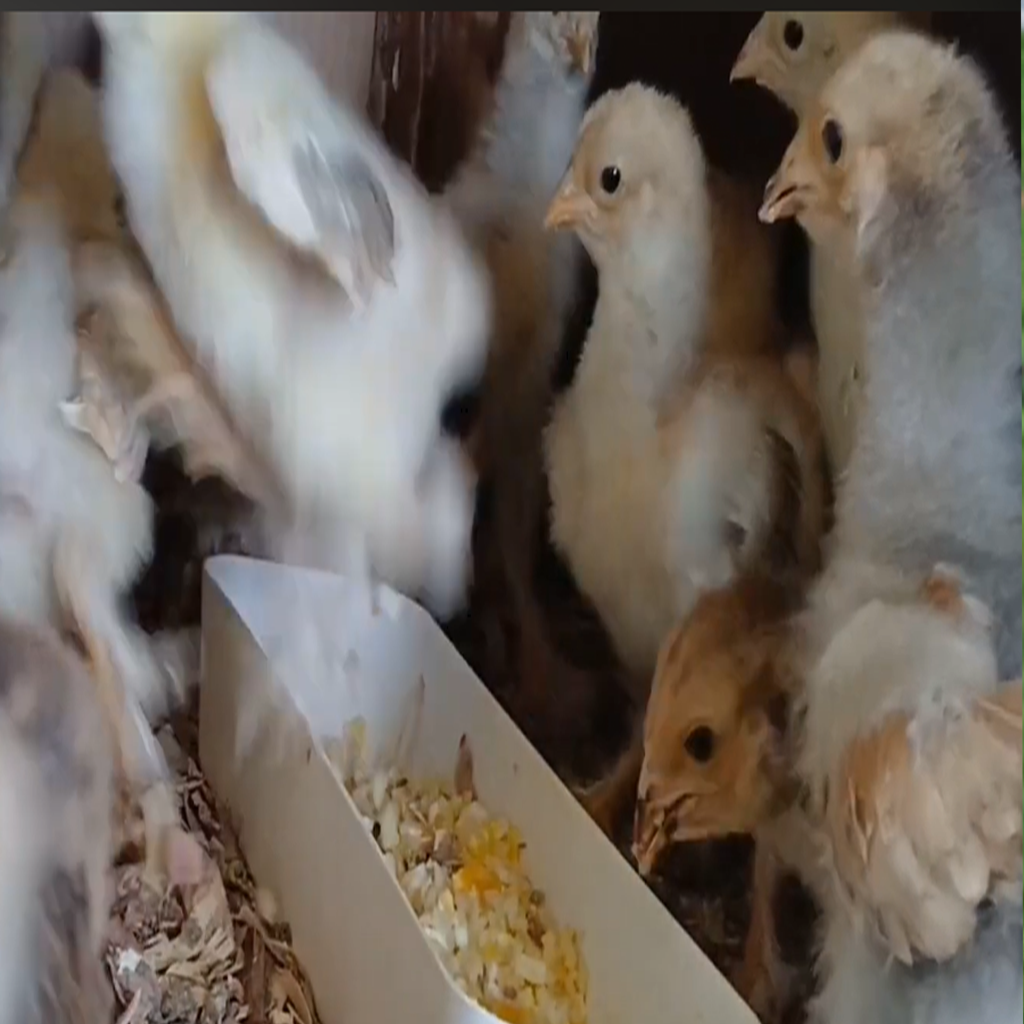
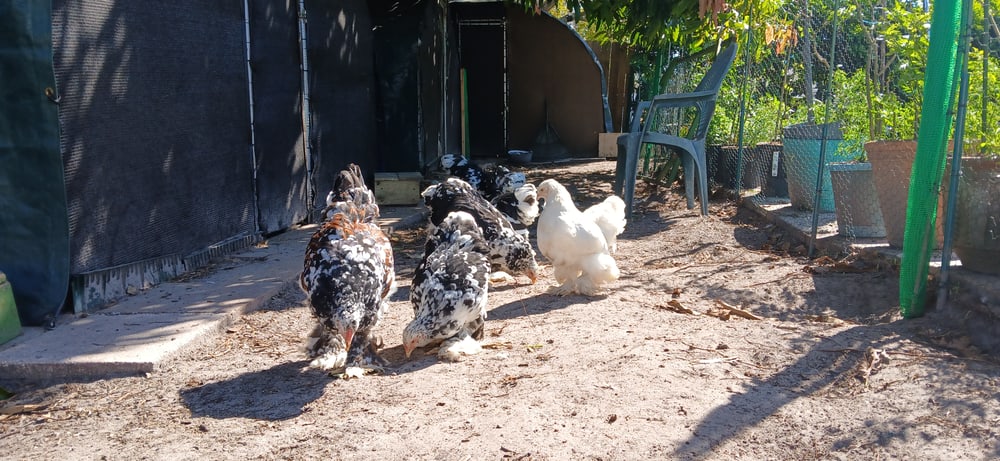
Coop Management: Ensure the coop is draft-free but properly ventilated to prevent moisture buildup (ammonia). Use the "deep litter" method, adding extra pine shavings or straw to provide insulation. Water Access: Keep water from freezing, as chickens must stay hydrated to maintain body heat. Use heated waterers or replace water frequently. Feeding: Offer extra carbohydrates (like cracked corn) in the evening to fuel their metabolism and create internal heat. Keeping Brahmas Warm throughout the cold winter.

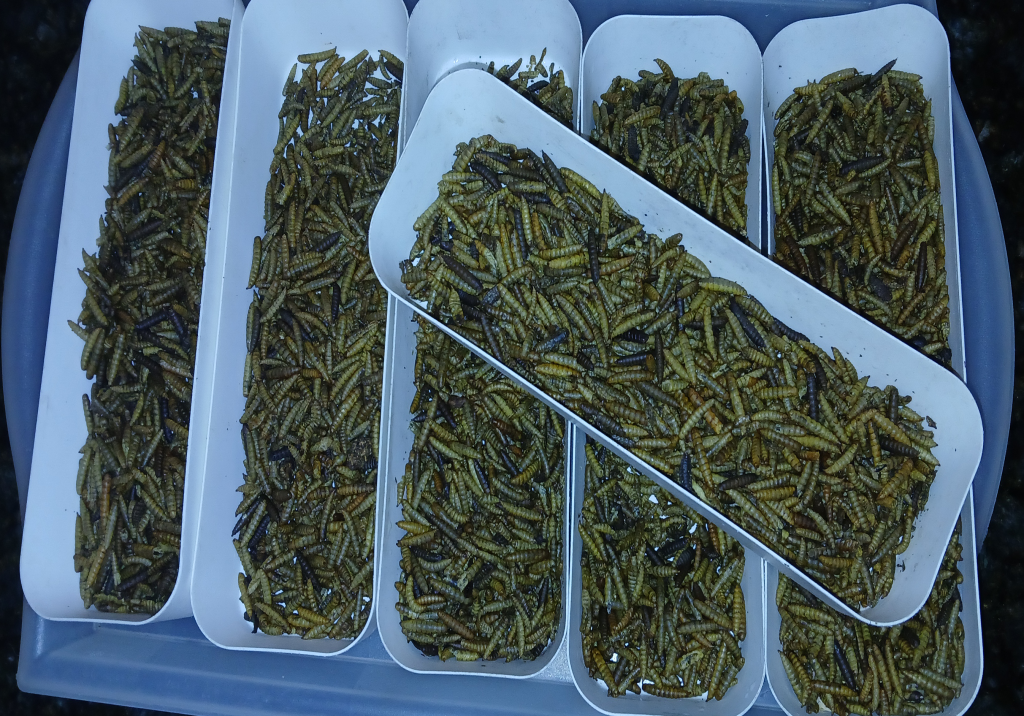
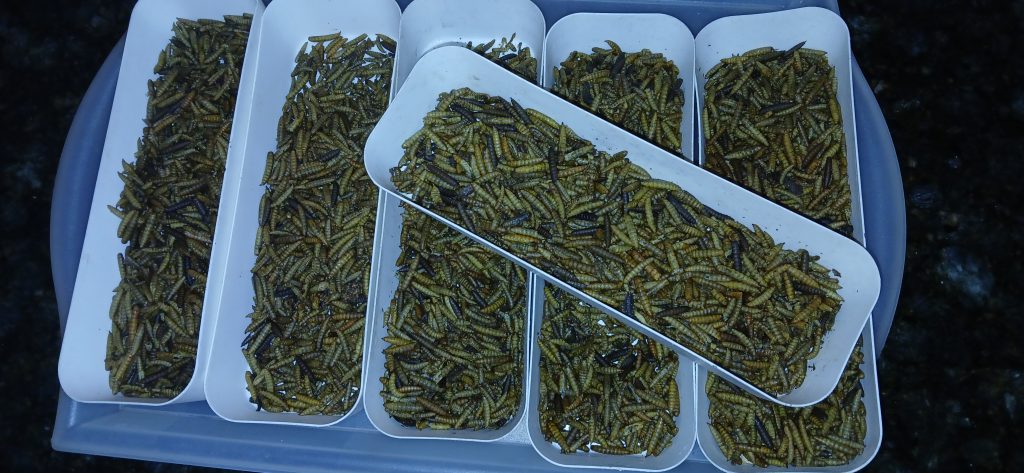
1) Feeding chickens mealworms in winter: In cold days provides crucial protein for heat generation, feather regrowth, and egg production when natural insects are scarce. Dried mealworms are generally better for winter as they are energy-dense, non-freezing, and easy to store. Offer them in moderation, typically as less than 10% of their daily diet. Water Access: Keep water from freezing, as chickens must stay hydrated to maintain body heat. Use heated waterers or replace water frequently. Feeding: Offer extra carbohydrates (like cracked corn) in the evening to fuel their metabolism and create internal heat. Keeping Brahmas Warm throughout the cold winter.
Caring for your Peeps in Winter

Key Winter Care Practices

Caring for your Peeps staying warm in Winter? Imported Line 🇪🇸 🇹🇷

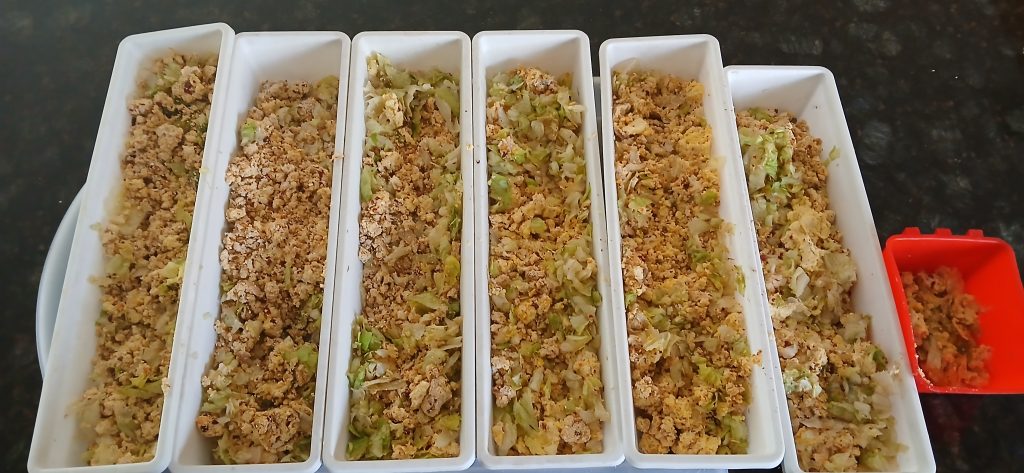
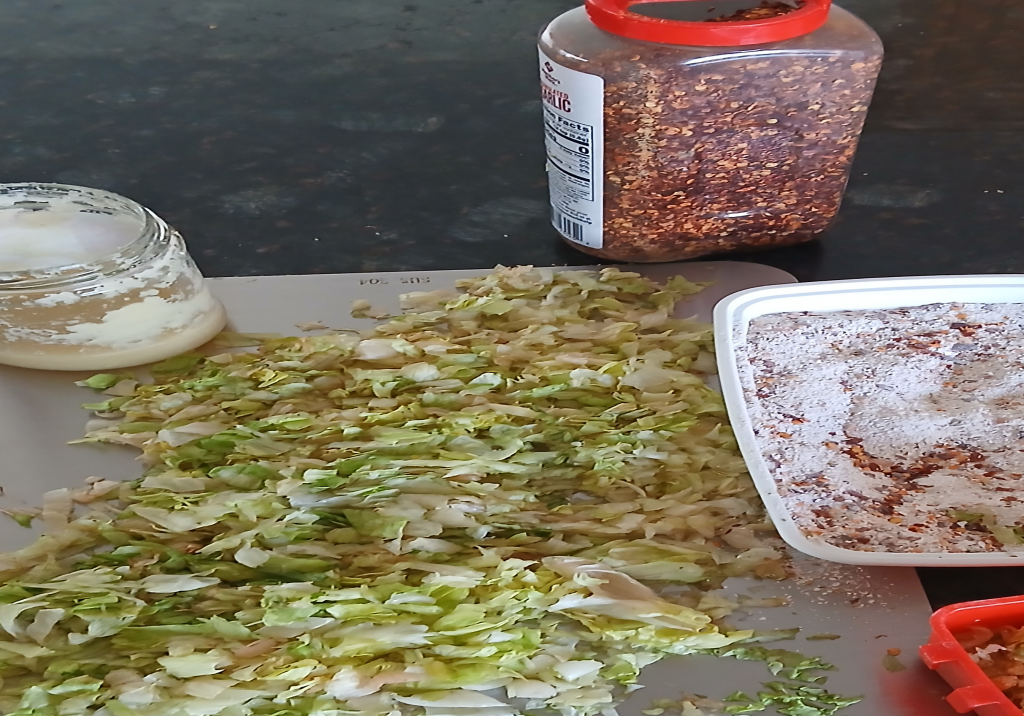
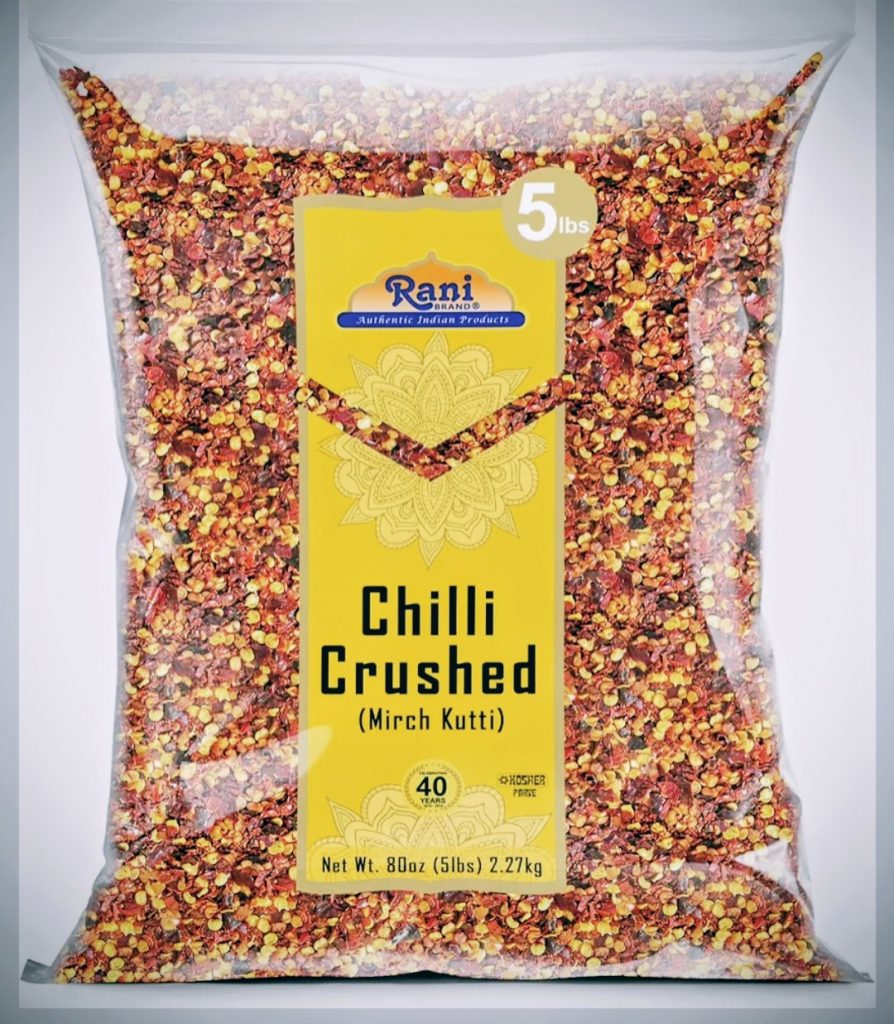
2) Adding red pepper flakes to chicken feed in winter (roughly 1/4 cup per 40 lb bag) acts as a natural supplement that may improve gut health, fight parasites, and enhance yolk color. Because chickens lack receptors for capsaicin's heat, they eat it freely, whereas it deters rodents.

3) Cooking rice for chickens in winter provides a warm, energy-dense treat, with cooked rice being easier to digest and safer than raw. A simple method involves boiling 3 cups of rice in 7 cups of water until cooked, then letting it cool until barely warm before feeding. It should be served only as a treat, never replacing their balanced, high-protein feed.

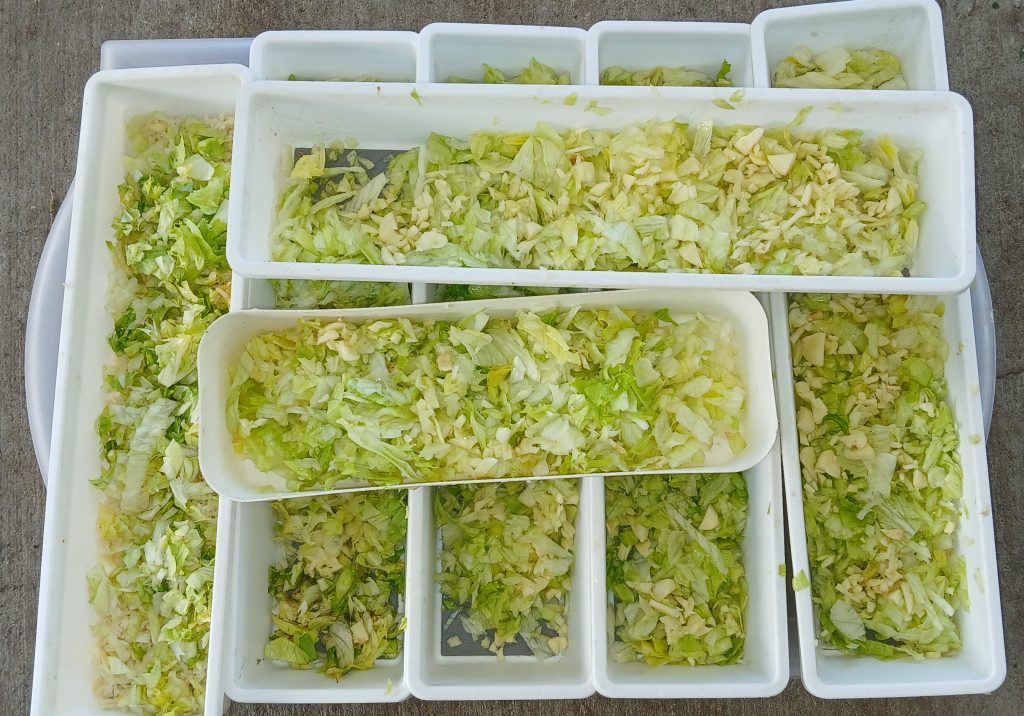
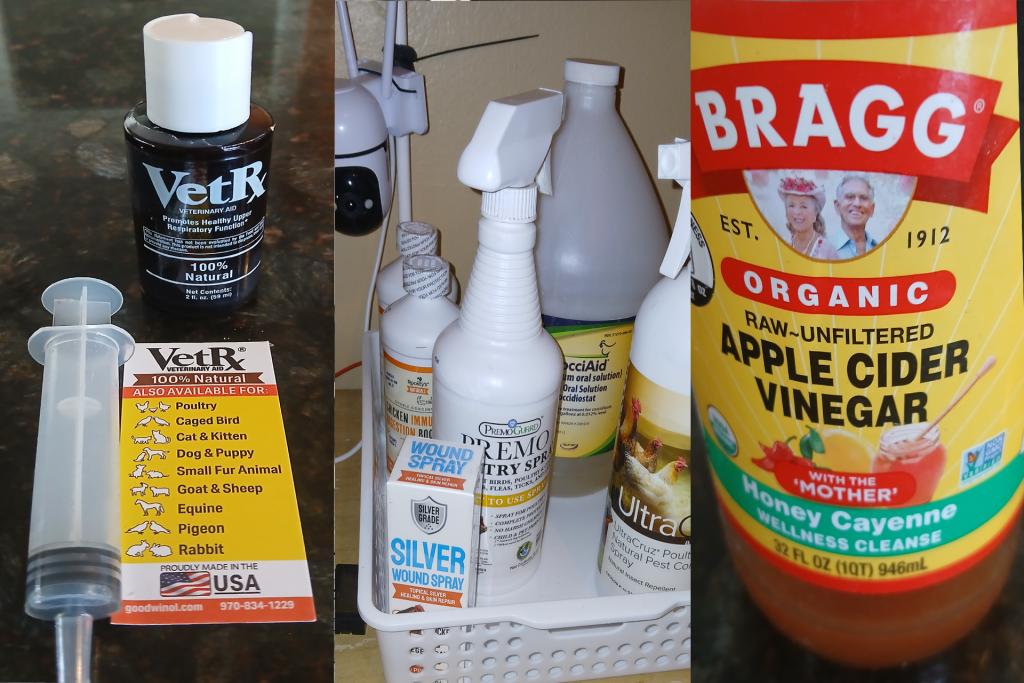
4) Adding garlic with Cook Rise to chicken feed or water during winter boosts their immune system, acts as a natural antibiotic/anti-parasitic, and helps prevent respiratory issues. Crush 3-4 raw cloves per gallon of water, or mix 1/2 tsp of garlic powder per hen into feed to enhance health, reduce illness, and improve egg production. Make sure to replace the water after the second day. Replaced with fresh.

Immunity Booster: Natural antiviral, antibacterial, and antifungal properties help protect against winter ailments. Respiratory Support: Garlic helps keep airways clear during cold, damp, or dusty winter conditions.

Winter Garlic for Chickens:

Drinking Water: Crush 3-4 fresh, raw garlic cloves and add them to a gallon of water, allowing it to steep. Change this daily. Feed Mix: Sprinkle garlic powder directly onto their feed (around 1-1/2 pounds per 50 pounds of feed for large flocks). "Magic Water": Combine crushed garlic, ginger, and cayenne powder in water for an intense winter immunity boost. Preventive Measure: Use 1-2 times a week to keep birds healthy.

Benefits of Winter Garlic for Chickens:

Protection: Ensure there is adequate, elevated roosting space so they can tuck their feet into their feathers, keeping them off the cold floor.

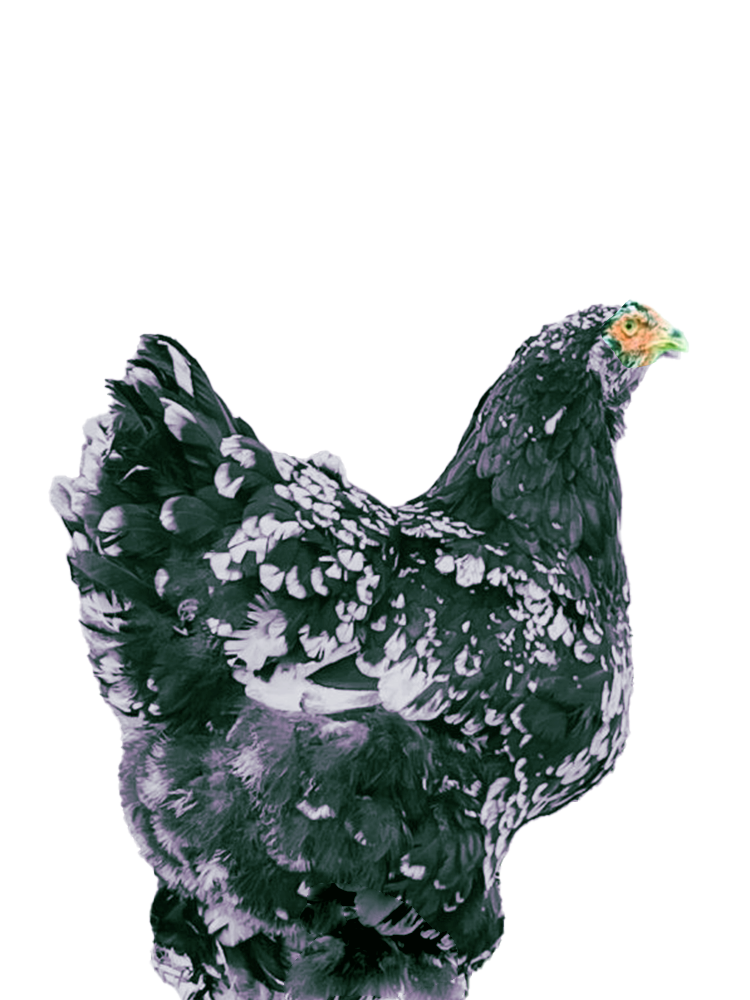
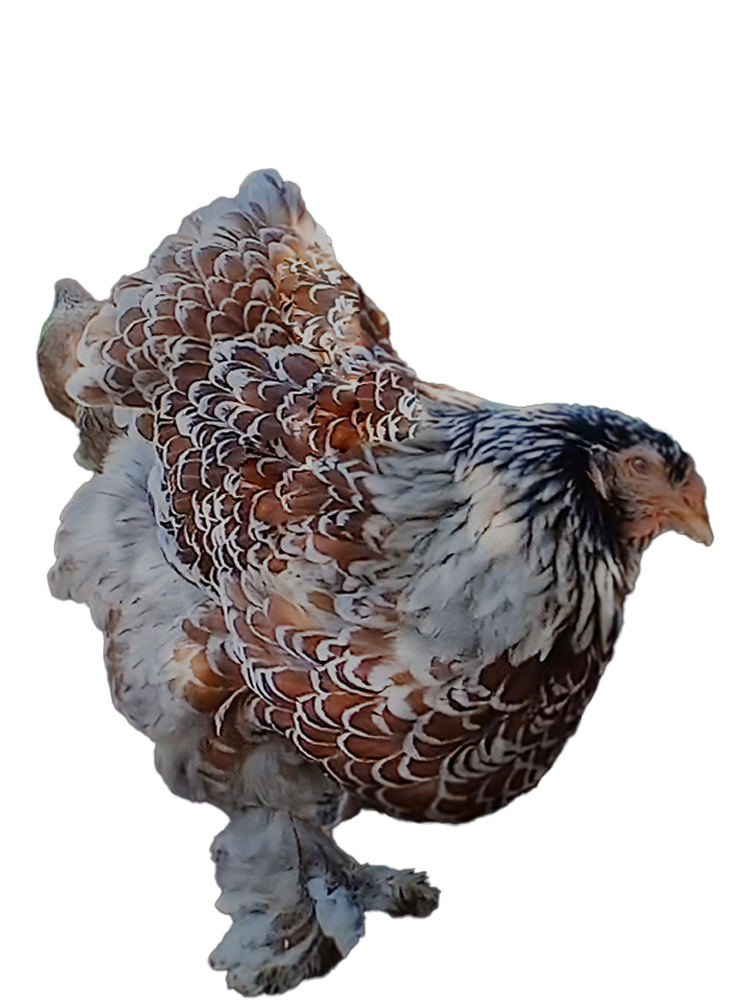
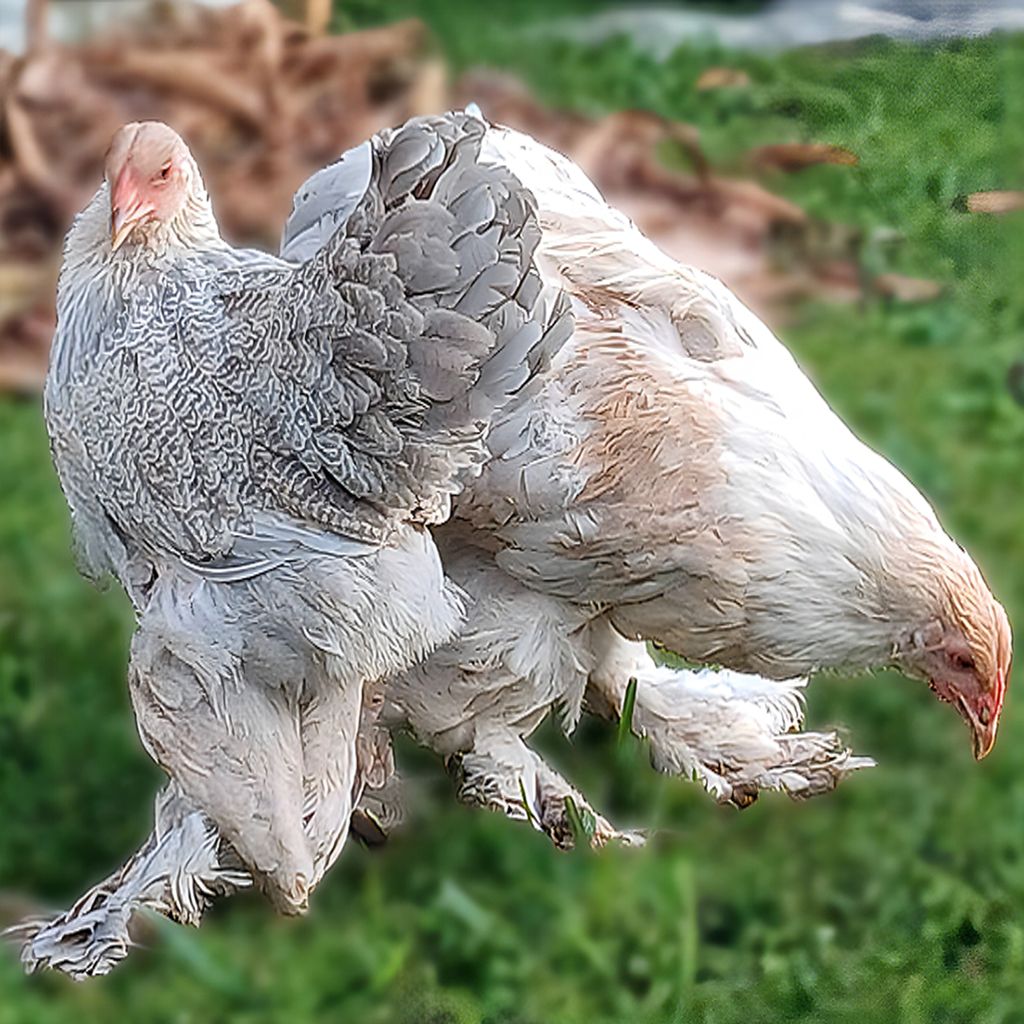
Most chickens handle cold well, but they need to be protected from freezing and wet conditions. Ensure the coop is dry and clean; moisture in the air causes frostbite. Consider covering the run with a tarp to reduce wind and provide a dry area for them to move around. Winter-Hardy Breeds - Some breeds, such as Orpingtons, Wyandottes, Brahmas, and Australorps, are better suited for cold climates. 😊

Caring for your Peeps in Winter

Key Winter Care Practices

Caring for your Peeps staying warm in Winter? Imported Line 🇪🇸 🇹🇷


Winter tip

Winter

They require 50% more high-calorie feed to help them generate body heat.

Help your little peeps grow strong

Help your little peeps grow strong Exotic Chicks from day 1 Whether you’re raising exotic European Brahma chicks, their...

Read More
Hatching Eggs at Home

Step-by-step guide to hatching eggs at home. Temperature and humidity inside the incubator are critical factors for successfully hatching eggs. Suggested...

Read More
6-8 Week Old Chicks: Moving to the Chicken Coop

Moving to the Chicken Coop,  6-week-old chickens should be ready Move from the brooder to the chicken coop if...

Read More
Caring for Baby Chicks

Before Exotic baby chicks arrive: Set up the brooder Set up your brooder about 48 hours before your chicks...

Read More
Brahma Varieties

EXOTIC AND RARE EUROPEAN BRAHMAS VARIETIES If you’re looking to add some impressive birds to your backyard flock, these...

Read More
Chick Price List (Available April 2026)

Imported Line Spaniards Brahma Red Pyle 🇪🇸 12 Hatching Eggs. $175.00 This beautiful exotic chicken is a rare breed....

Read More